


SoMatch- Online Chat & Party
4.1134.00 Reviews
App Specs
- Version
- 2.46.0
- Updated On
- License
- Free
- Downloads
- 5,000,000+
- Developer
- IndiaMasterApp
- Categories
- Social
- Platform
- Android
Screenshots

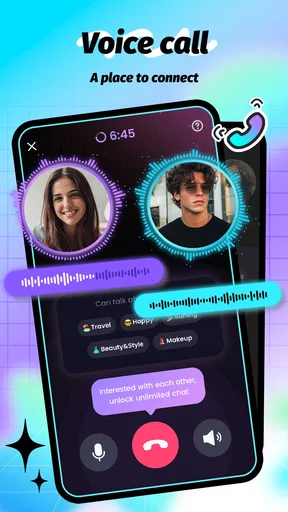


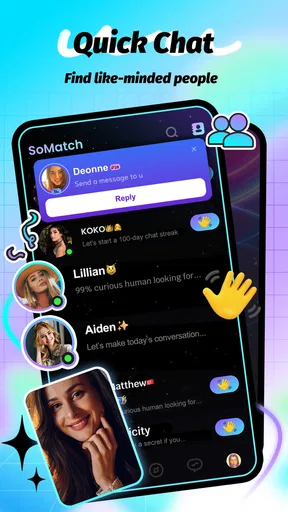
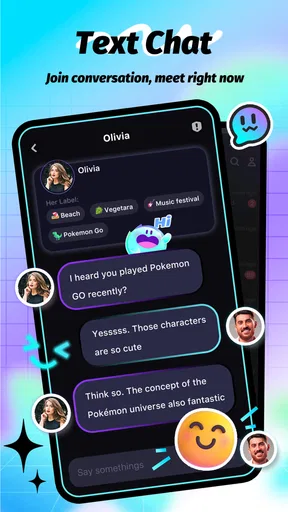
 Analysis by AppCompare
SoMatch - Online Chat & Party is a social app built around meeting people through shared interests rather than simply scrolling through a general-purpose feed. I found that distinction important from the first use: the app’s appeal depends less on polished content consumption and more on whether you enjoy starting conversations, joining social spaces, and deciding quickly which interactions feel worth your attention. It is free to install, aimed at mature users, and developed by IndiaMasterApp.
My overall impression is of an app that makes the most sense when you treat it as an active social tool. It is not the best choice if you want a quiet, highly filtered way to keep up with close friends. It is more suitable for someone who is comfortable with new contacts, open-ended chat, and the unpredictability that comes with meeting people online. The experience can feel direct and lively, but that also means the quality of your time depends heavily on how carefully you manage conversations and boundaries.
How SoMatch feels when you use it regularly
The main idea is easy to understand: use interests as an opening for finding people. That sounds simple, but it changes the way I approached the app. Instead of expecting every interaction to become meaningful, I treated shared interests as a first filter. A common topic can make the first message less awkward, yet it does not guarantee that the person will communicate well or that the conversation will last.
This is where SoMatch differs from familiar alternatives. A conventional messaging app is usually strongest when you already know the people you want to contact. A large social network often pushes public posts, recommendations, and established communities. SoMatch sits closer to the discovery side of social apps, where the purpose is to encounter individuals more easily and then decide whether a conversation deserves more time.
I would recommend approaching it with a small personal plan. Choose a few interests you genuinely care about, use them to guide your conversations, and avoid trying to respond to everyone. That workflow is more effective than treating every profile or chat as equally important. It also reduces the feeling that the app is demanding constant attention.
Speed expectations during normal browsing
In ordinary use, the perceived speed is likely to come from how quickly you can move between discovery and conversation, not just from screen transitions. When an app is centered on finding people, even a short pause feels more noticeable if you are repeatedly checking profiles, interest matches, or active discussions. SoMatch benefits when that path feels uncomplicated and when the interface does not make basic decisions feel like work.
I would not judge the app solely by the first few minutes. Social discovery can seem fast at the beginning because everything is new, then feel slower once you have already seen the most relevant interests or have several conversations competing for attention. That is a normal trade-off for this type of service: the more selective you become, the more time you may spend evaluating whether a new interaction is worthwhile.
Worth Reading Before You Choose

Flipboard Shows What News Apps Must Do Beyond the Feed

Switching to Android Auto Means Rethinking Your Driving Routine

Google Calendar Makes a Crowded Week Easier to Manage

Ludo King Makes the Most of the Minutes Between Plans

Baby Panda World Brings Quick Play to Modern Phones, but Its Game Library Feels Busy

ESPN’s Live Game View Makes Following Close Games Easier
A practical tip is to open the app with a specific goal. For example, I might check for one conversation connected to a hobby, spend a limited period replying, and then leave rather than endlessly browsing. This makes the experience feel more responsive because I am measuring it by useful interactions instead of by the number of people I can view.
What happens during heavier social use
The demanding moments are not necessarily technical. They occur when several chats, new discoveries, and social decisions arrive together. A busy session can become mentally heavy even if the app itself remains usable. I found that the best way to handle this is to separate discovery from conversation: first decide which people or topics interest you, then give your attention to a smaller group.
This approach also exposes one of the app’s limitations. Shared interests are helpful for opening a door, but they are a fairly broad signal. Two people can like the same subject and still have completely different expectations about tone, frequency, or the kind of relationship they want. SoMatch can help you find a starting point, but it cannot remove the work of judging compatibility.
If you use it during short breaks, the app can fit naturally into a routine. A realistic example would be checking it after work, replying to one or two conversations, and saving more involved discussions for a time when you can concentrate. That is better than beginning a chat while distracted and then disappearing halfway through it, especially when the other person may interpret silence personally.
On a longer session, I would keep notifications and attention under control. Social apps can become tiring when every new interaction feels urgent. Even without assuming anything about the app’s background behavior, a disciplined schedule is useful: check manually when convenient, mute or limit interruptions when possible, and remember that quick discovery does not require instant replies.
Stability, interruptions, and recovering from a bad session
Reliability matters more here than it might in a passive entertainment app because a failed or interrupted conversation affects another person. My standard for SoMatch would therefore be simple: can I return to an interaction without losing the thread, and can I continue using the app after a temporary problem without repeating everything? Those are the recovery details that shape trust in a social service.
When something goes wrong, I would first close and reopen the app, check the connection, and avoid repeatedly tapping the same action. If a chat or discovery screen does not respond immediately, waiting briefly is safer than creating duplicate actions. This is a small habit, but it prevents confusion during busy sessions and makes it easier to tell whether a problem is temporary.
I also recommend keeping important contact information outside the app only when you are comfortable with the person and the situation. SoMatch is useful for discovery, but I would not treat it as the sole place for conversations that matter. If a discussion becomes important, keeping your own notes about the topic or agreed time can help you recover after an interruption. That is not a criticism unique to this app; it is sensible whenever an online conversation depends on a service you do not control.
The mature audience rating is another reason to use judgment rather than assuming every interaction will be casual or harmless. I would avoid sharing sensitive personal details early, be cautious with requests that create pressure, and end conversations that become uncomfortable. The app’s social purpose is a strength only when discovery remains voluntary and respectful.
Device fit and resource-conscious use
SoMatch supports devices running Android 6.0 or later, which gives it a broad compatibility range across older and newer Android hardware. Still, compatibility is not the same as identical performance. An older phone may handle a simple chat comfortably but feel less pleasant during rapid switching, long sessions, or other background activity. If your device already struggles with everyday apps, I would keep expectations moderate.
For a smoother routine, I would update the app when a new version is offered, keep enough free storage for normal system operation, and close unrelated apps if the phone feels sluggish. These steps do not transform the service, but they remove common sources of friction. They are especially useful if you are using an older device that has limited memory or a battery that is already worn.
Resource demands are also affected by how you use any social app. Constantly checking for new activity is more demanding on attention and potentially on battery than opening the app for a focused conversation. I prefer the second pattern: use it deliberately, leave when finished, and avoid turning every idle moment into another refresh cycle.
iPhone users should note that the experience discussed here is the Android version, with its Android compatibility requirement and current release identified as version 2.46.0. That makes the platform distinction worth checking before downloading. On Android, the app is free to start, while optional in-app purchases range from twenty-nine cents to $154.99 per item. I would review each purchase screen carefully and decide in advance whether paid extras are genuinely useful to my own social habits.
Who will get the most from it
SoMatch is a good fit for people who want to expand beyond an existing contact list and who enjoy using interests as conversation prompts. It may work particularly well if you have moved to a new place, want to find people with niche hobbies, or simply prefer a social app that begins with discovery rather than asking you to publish polished updates.
It can also suit someone who dislikes the pressure of presenting a complete personal brand. Starting from shared interests feels more approachable than trying to write a perfect public profile or produce content that attracts attention. The trade-off is that you still need to communicate clearly once a connection begins. The app can lower the barrier to the first exchange, but it cannot carry the relationship for you.
I would skip it if your main need is private group coordination, dependable work communication, or a carefully controlled circle of close contacts. In those cases, a standard messenger or an invitation-based community will usually be more efficient. I would also avoid it if unexpected conversations make you uncomfortable, because discovery-oriented social apps naturally involve more uncertainty than tools built around people you already know.
Small habits that improve the experience
My first useful habit is to make interests specific enough to guide a real question. A broad label may produce many possible contacts but little direction. A more focused interest gives you something concrete to ask about and makes it easier to notice whether the other person is actually engaged.
Second, I would judge a conversation by reciprocity rather than by how quickly it starts. A fast first exchange can still become one-sided. If you are always asking questions, explaining yourself, or restarting the discussion, the shared interest is not doing enough work. Moving on is often a better use of time than trying to force compatibility.
Third, separate curiosity from trust. Finding someone through a common topic is a reason to talk, not a reason to disclose private information. I would keep early conversations general, avoid sending anything that could identify my home or routine, and treat pressure to move unusually fast as a warning sign.
Finally, use the app in sessions that match your energy. Discovery is more enjoyable when you are alert enough to make good choices. If you are tired, rushed, or irritated, a short break is better than replying carelessly. This is one of the less obvious trade-offs of SoMatch: the app can make meeting people easier, but the responsibility for pacing remains with you.
Value, audience, and long-term usefulness
The app’s free entry point makes it easy to test without committing money immediately. That matters because the value of a social discovery service is personal. It depends on whether the available conversations match your interests and whether you enjoy the style of interaction. The average rating is 4.0 from around 17 thousand ratings, and the app has passed 5 million installs, so it clearly has a substantial audience. Those figures suggest a service people are willing to try, but they cannot predict whether your particular interests will lead to satisfying conversations.
The mature 17+ rating should be taken seriously when deciding whether it belongs on a family device or whether it is appropriate for a younger user. I would also remember that a large user base brings variety rather than guaranteed quality. More people can mean more chances to find a good match, but it can also mean more conversations that are irrelevant, awkward, or poorly moderated from your personal point of view.
IndiaMasterApp has continued the app through its current release, but I would still evaluate it by the everyday experience rather than by version numbers. What matters to me is whether discovery feels manageable, whether conversations are worth returning to, and whether the app fits my device and attention span without becoming another source of noise.
My performance verdict
SoMatch - Online Chat & Party is best understood as an active people-discovery app, not a replacement for every social tool on your phone. Its strongest idea is using shared interests to make first contact easier. Its biggest weakness is the same one: an interest match is only a starting point, so the user must do the filtering, pacing, and safety work.
From a performance perspective, I would use it with realistic expectations. On a compatible Android phone, focused sessions should be the most comfortable way to approach it, while older hardware and long, busy sessions deserve more patience. I would keep the app updated, avoid excessive refreshing, and restart it calmly if a temporary interruption occurs rather than assuming every delay means the conversation is lost.
My recommendation is conditional but positive. Try it if you want to meet unfamiliar people through topics you already enjoy and are willing to manage conversations thoughtfully. Choose a conventional messenger or a private community instead if reliability with known contacts, strict privacy, or organized group communication matters more. For the right user, SoMatch can turn a shared interest into a useful first conversation; it just works best when you remain selective about what happens next.
Pros
- Quick matchmaking helps you meet new people without lengthy setup.
- Multiple chat and party formats keep conversations varied and engaging.
- Profile discovery makes it easy to find users with similar interests.
- The interface is simple enough for first-time users to navigate.
- Useful for casual socializing when you want short
- spontaneous conversations.
Cons
- Some features may require in-app purchases or virtual currency.
- User activity and match quality can vary depending on your location.
- Public chats may include unwanted messages or inappropriate behavior.
- The app may consume noticeable battery during extended video sessions.
- Privacy settings should be reviewed carefully before sharing personal details.
FAQs for SoMatch- Online Chat & Party
What is SoMatch – Online Chat & Party, and how does it work?
SoMatch – Online Chat & Party is a social entertainment app designed for meeting people, chatting, and joining interactive online parties. After creating a profile, users can typically browse social spaces, participate in conversations, and connect through live or group-oriented features. The experience may vary by region and app version, so check the current listing for the latest functions before downloading.
Is SoMatch – Online Chat & Party free to download and use?
The app can generally be downloaded without an upfront purchase, but some features may require in-app purchases, virtual items, subscriptions, or other paid options. These can be used to improve visibility, access additional social functions, or support interactions inside the platform. Review the pricing details shown in the Google Play Store or App Store, and configure purchase restrictions if children use your device.
Is SoMatch safe for chatting with people online?
As with any social chat platform, safety depends on both the app’s moderation tools and your own online habits. Avoid sharing your address, phone number, passwords, financial information, or private photographs with strangers. Use blocking and reporting options when available, be cautious with links and requests for money, and remember that profiles may not always represent a person accurately.
Does SoMatch require a real name, camera, microphone, or location access?
The information and permissions required can depend on the sign-up method and the features you choose to use. A profile may need basic account details, while chat or party functions could request microphone or camera access. Location-related permissions should be granted only when necessary. Before accepting, read each permission prompt and disable access that is not needed for your intended use.
Can I delete my SoMatch account and control unwanted messages?
Most social applications provide account, privacy, notification, blocking, and reporting controls, although the exact menu names may differ between Android and iOS versions. Look in the profile or settings area for options to restrict contact, mute notifications, block users, or report inappropriate behavior. If you decide to leave, check whether account deletion is available in the app or requires contacting support.


